# Why I'm Riding Velo Palmetto
## Two Wheels, One Goal — and This Time, It's Personal
I've spent my career on both sides of the exam room door — as a pediatric critical care physician, and later as a health system CEO responsible for the institutions that decide what care actually reaches patients. I understood blood cancer as a clinician and as an executive: the biology, the economics, the policy fights over who gets access to the next breakthrough and who doesn't.
Now, I understand it a third way. As a patient.
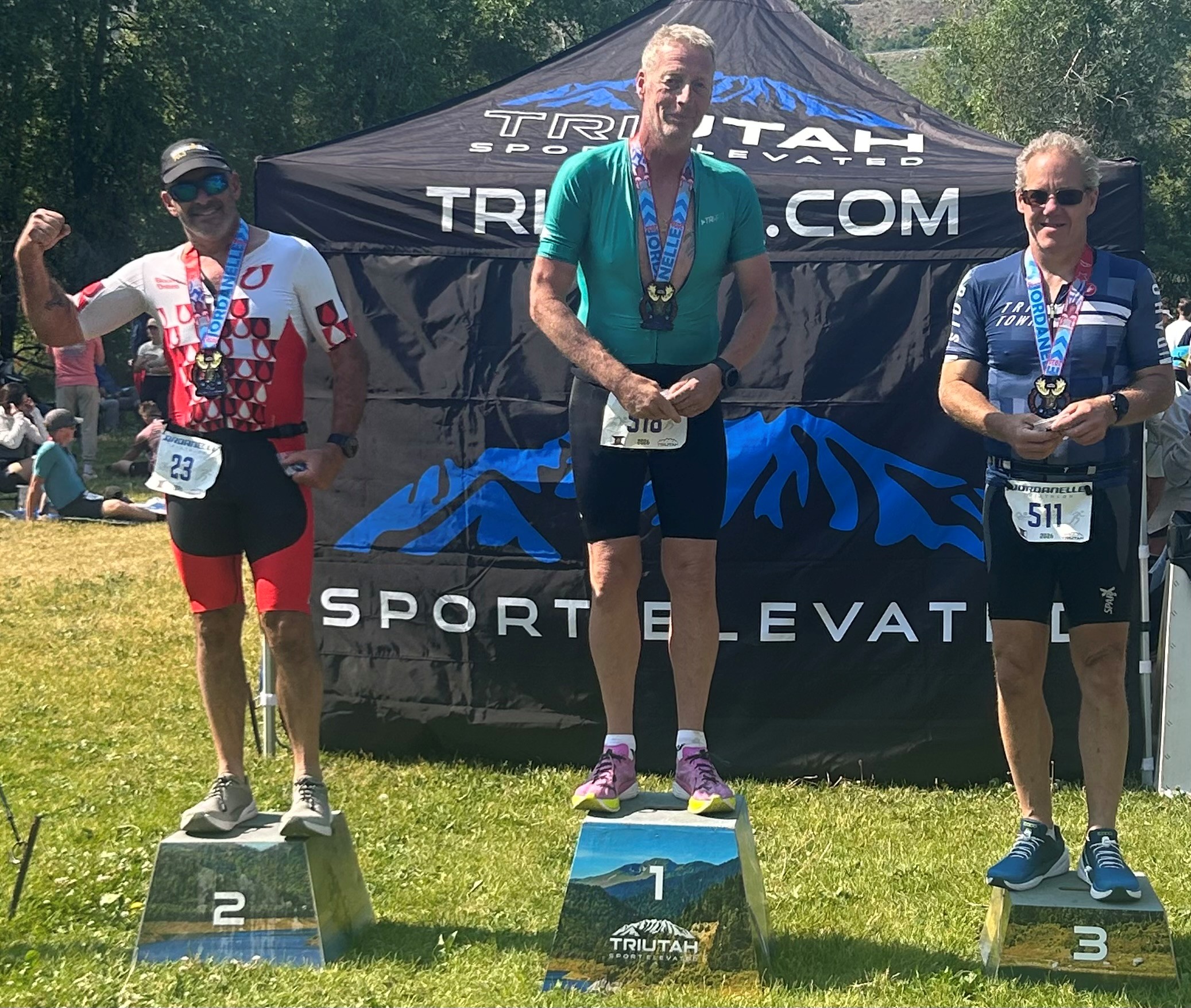
Nearly ten years after finishing treatment for multiple myeloma and returning to full health, my disease relapsed almost a year ago. In May, after a harrowing series of setbacks including the inability to get into trials, extramedullary disease requiring radiation, and terrible bone pain, I started a new course of treatment. The treatment was a bispecific antibody therapy that didn't exist when I was first diagnosed, built on research that organizations like Blood Cancer United helped fund. Despite tough side effects, I'm responding really well. In June, I raced a triathlon and finished on the podium. #RelentlessForwardProgress
But losing that remission gave me something no amount of medical training could: a visceral understanding of what it means to depend on the very things this organization fights for — access to cutting-edge therapies, equitable care regardless of zip code or income, a robust clinical trial infrastructure, and policy that serves patients instead of systems.
That's also why I recently joined Blood Cancer United's national Board of Directors. Not as a symbolic gesture, but because I now sit at the intersection of every hat I've ever worn — physician, executive, and patient — and I intend to use all three.
**Velo Palmetto is where I put that commitment into motion, mile by mile.**
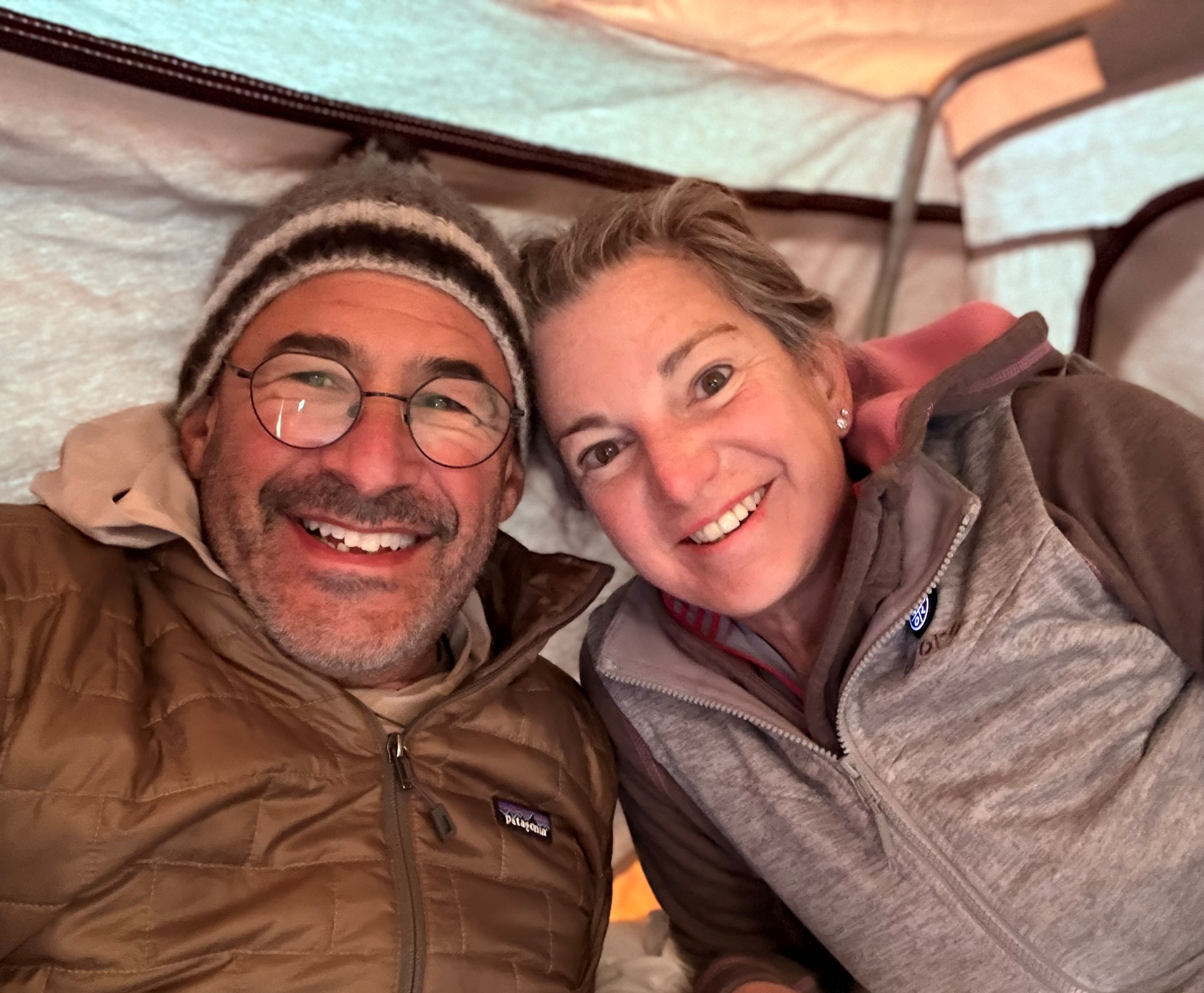
I've raced adventure races, triathlons, and open-water swims for most of my adult life. Training has always been how I process hard things and how I stay who I am. These days, my rides are shaped by treatment cycles, by numbers I track as carefully as I once tracked patients' vitals — but the discipline is the same discipline that's carried me through every finish line before this one. Riding through Greenville this October isn't a metaphor I'm reaching for. It's the literal, physical expression of what I've been telling myself since May: I'm not merely trying to survive this. I'm trying to live — to remain a husband, a father, a physician, a leader, and an athlete, all the way through.
Nearly 1.5 million people in the United States are living with blood cancer right now. Some of them will get access to the therapy that's working for me. Many won't — not because the science isn't there, but because the access, the affordability, or the infrastructure isn't. That gap is exactly what Blood Cancer United exists to close, and it's exactly what your donation funds:
- **Research** — Blood Cancer United has invested nearly $2 billion into the breakthroughs, including the immunotherapies, that are keeping me on the bike today.
- **Access** — free one-on-one support from oncology professionals for patients and families navigating a diagnosis, right now, at no cost.
- **Advocacy** — the policy work that determines whether the next patient in my position can actually get the treatment that's available, not just the treatment that's affordable.
I'm not asking you to sponsor a bike ride. I'm asking you to help fund the reason I'm still able to take one.
## Your Gift Just Got Doubled
Mary Carole and I are matching every dollar raised on this page, up to $25,000 — and we're prepared to go beyond that. Whatever you give today goes twice as far toward research, patient support, and access. There's no better moment to make your gift count.
**Every mile I ride in Greenville this October is funded by every dollar raised here first. Thank you for being part of both.**
---
*Marc — physician, healthcare executive, Board Member of Blood Cancer United, and someone in active treatment for relapsed multiple myeloma, training for Velo Palmetto, October 22–25, 2026, Greenville, SC.*
A. Marc Harrison, MD